EN | DE

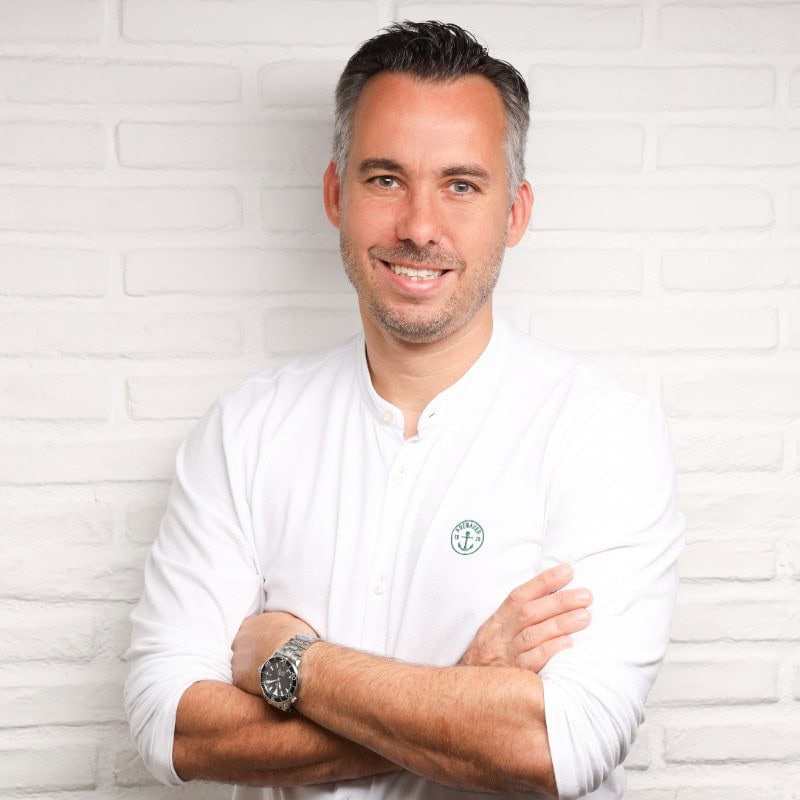
Balancing work, family and an international MBA degree. Is that even possible? Sascha Baae, an executive at a globally active IT company, is currently a participant in the MBA program at Opresnik Business School (OBS) and talks to Prof. Dr. Marc Oliver Opresnik about his experiences, challenges and findings from his studies.
Professor Opresnik:
Mr. Baae, you are currently a participant in our MBA program and are working in a responsible professional position. How do you manage to combine your studies with everyday working life?
Sascha Baae:
I asked myself the question before I started. Today I can say: Yes, it is challenging, but it works very well — especially because of the flexibility of the program. The modules are clearly structured, the live sessions are recorded, and the transcripts help to edit content efficiently. This was particularly important to me when appointments come up at short notice.
Professor Opresnik:
How do you spend the time required for the written performance records?
Sascha Baae:
The final module reports are demanding in terms of content, but can be completed with discipline within a realistic time frame. The issues are known early on, so that important content can be recorded and pre-structured even during live sessions. Since these are reflective texts, I can often include specific situations from my professional environment anonymously — this significantly increases the practical relevance compared to conventional exams from other universities.
Professor Opresnik:
They address the practical relevance. How do you find the MBA program enriching your daily work?
Sascha Baae:
Direct transfer is actually one of the biggest advantages. Many topics — whether strategic management, leadership or marketing — can be directly applied to your own topics in day-to-day and project business. For example, I used one of the module reports to reflect on a professionally challenging topic. This was not only academically useful, but also a good opportunity for discussion within the team.
Professor Opresnik:
How would you rate the international orientation of the program — particularly in terms of language, methodology and degree?
Sascha Baae:
The English-language level is easy to do, even without native language skills. The professors and lecturers are very accessible, the documents are easy to understand and the international fellow students are also not native speakers. You don't have to be afraid of that. As far as the degree is concerned, international recognition was decisive for me. An MBA from a British university creates trust, contributes to reputation and is always a good conversation starter in all situations.
Professor Opresnik:
What would you tell potential applicants?
Sascha Baae:
You should be aware that studying while working is feasible, but requires discipline. Anyone who is prepared to deal intensively with their own professional issues will take away a lot from the MBA. It was the right decision for me.
Professor Opresnik:
Finally, asked: What were the particular challenges for you personally during your studies — and what would you have liked to know right from the start?
Sascha Baae:
One challenge initially was the switch to academic writing in English. It is different from writing emails or presentations in English in everyday working life. However, thanks to the clear format requirements and the content support provided by the team of lecturers, it was easy to master.
What I would have liked to know earlier: How much can I actually contribute from my own working life. That would have made me start my project even more convinced and would have considered more specifically at the beginning which practical examples I would like to bring to my studies.
conclusion:
The OBS MBA program shows that studying while working is not only possible, but can also actively contribute to the development of specialists and managers — practice-oriented, internationally recognized and with direct added value for companies and careers.